What is
Interventional Radiology ?
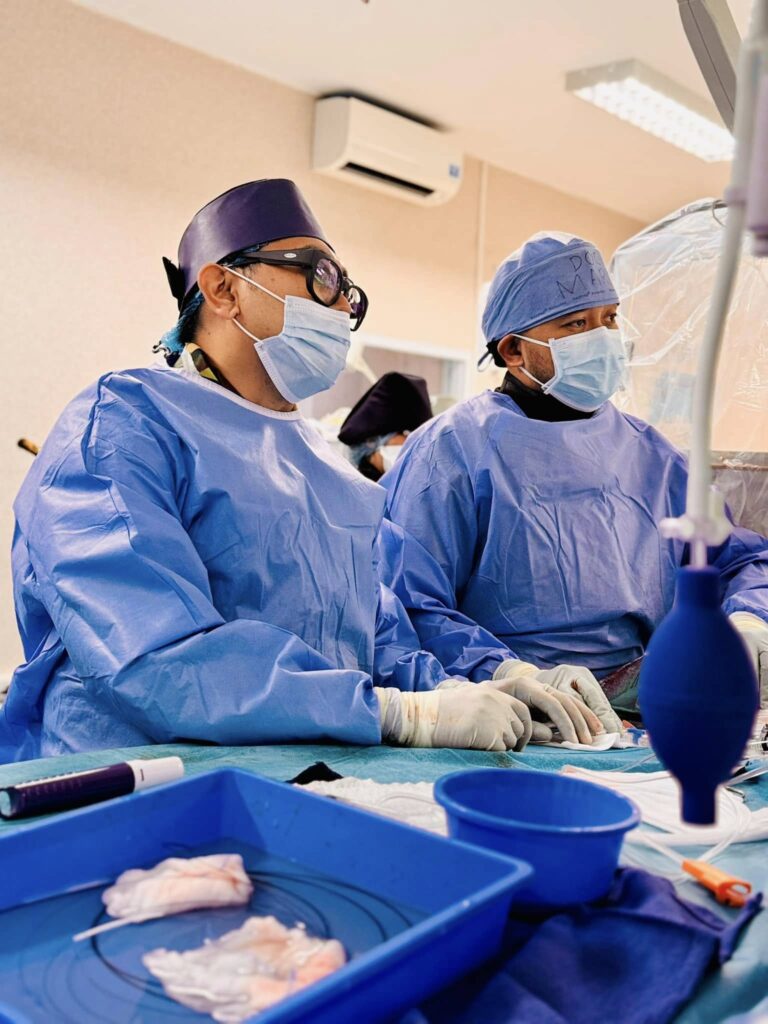
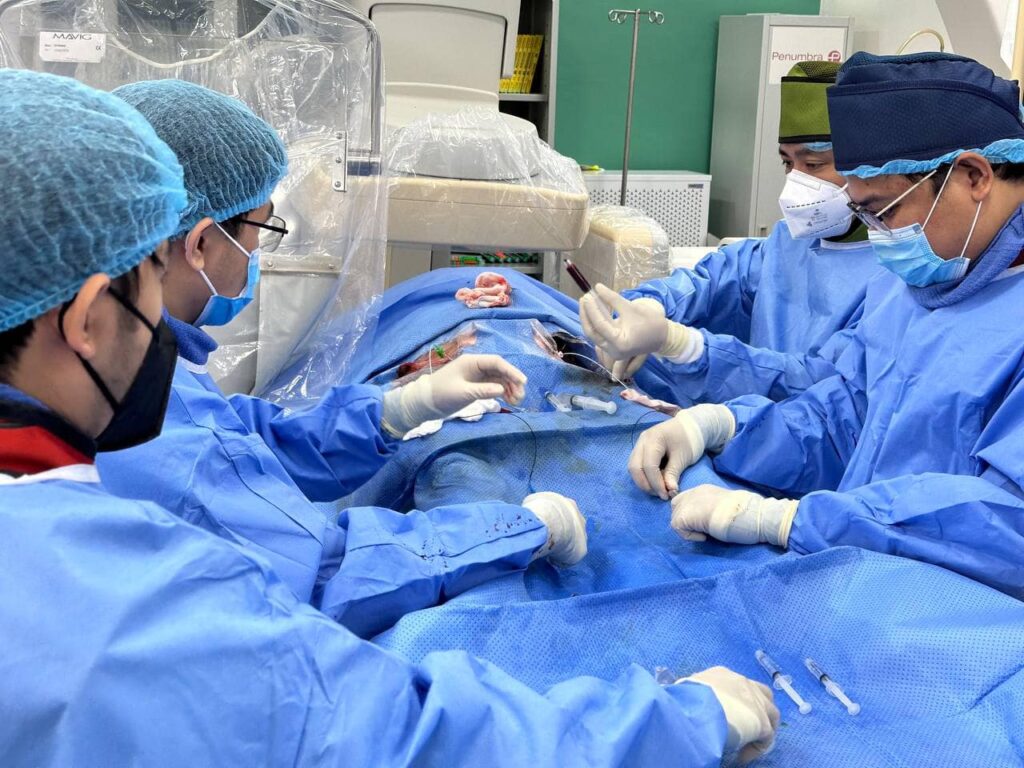
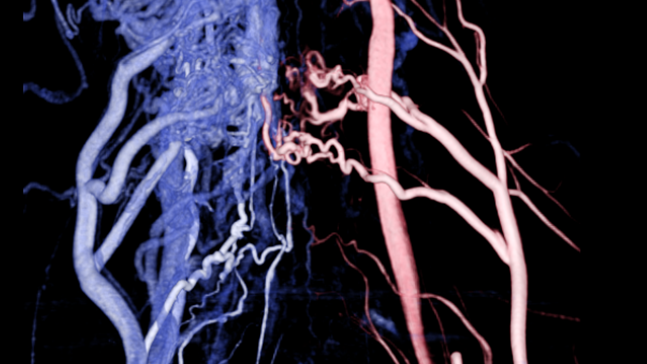
Interventional Radiology (IR) is a medical specialty that uses medical imaging guidance, such as X-rays (fluoroscopy), CT scans, MRI, or ultrasound, to perform minimally invasive procedures for both diagnosis and treatment of a wide range of conditions.
This approach generally leads to:
– Less pain and trauma.
– Reduced risk and fewer complications.
– Shorter recovery times.
– In many cases, the procedure can be done on an outpatient basis.
Minimally Invasive Procedures
Instead of traditional open surgery, interventional radiologists typically make a very small incision or puncture (sometimes called “pin-hole” surgery) in the skin.
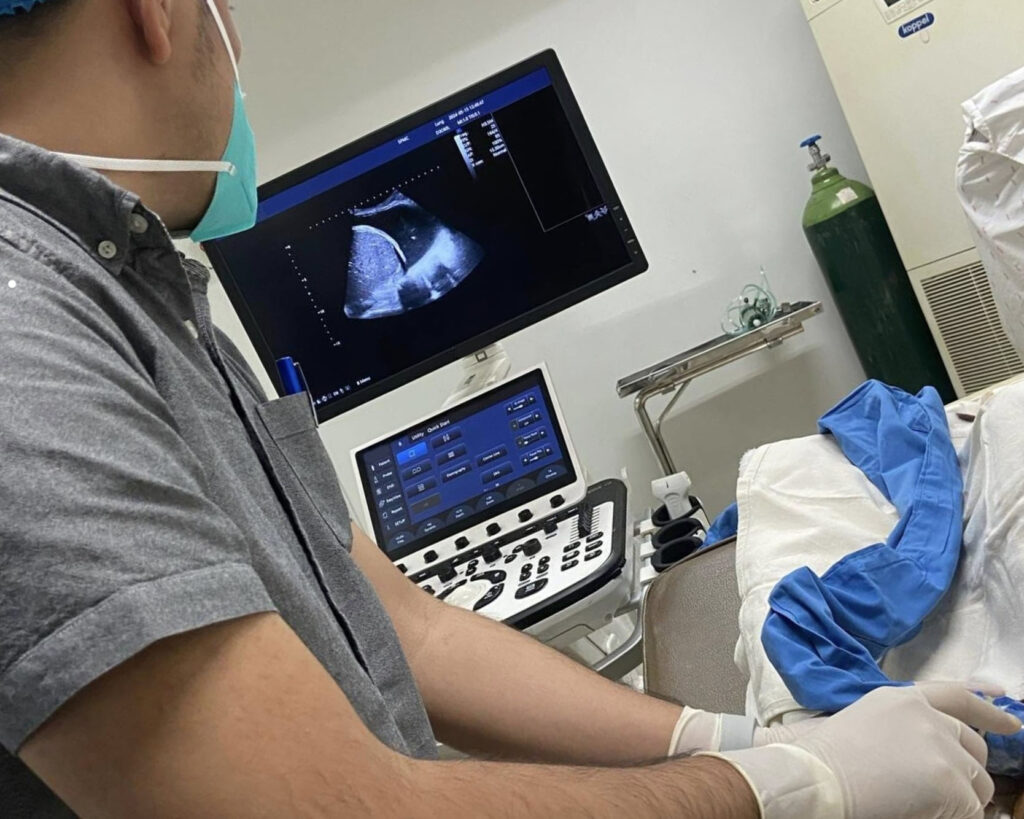
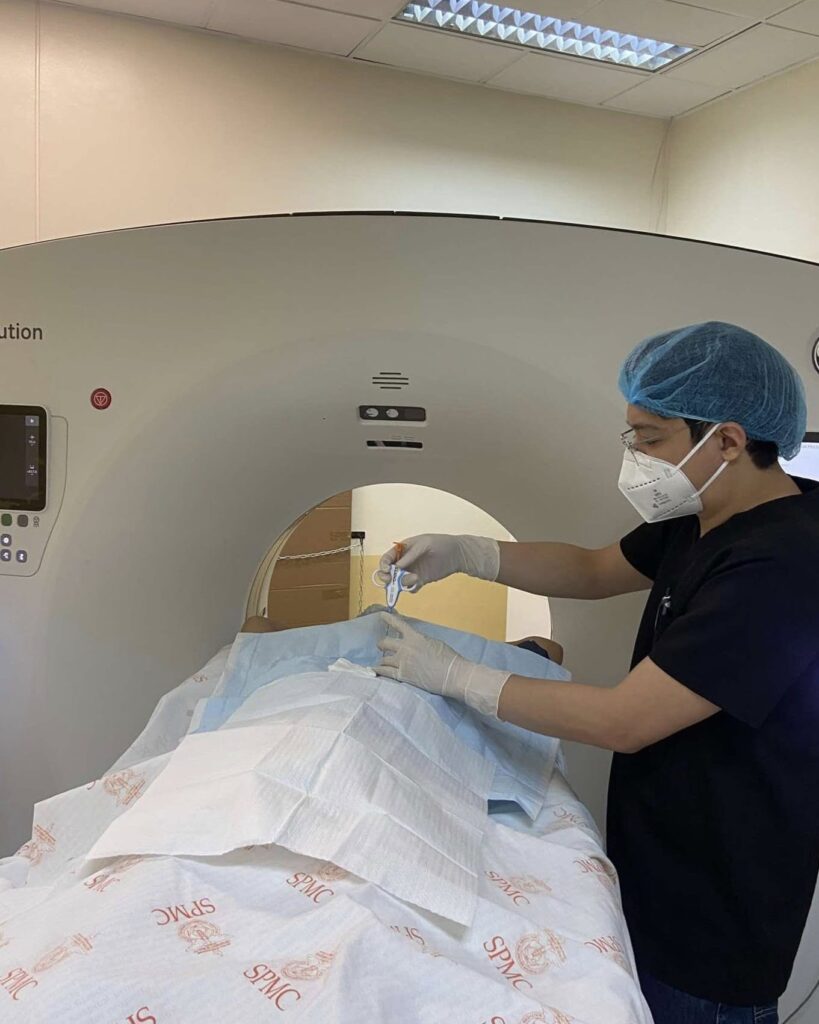
Image-Guided
They use real-time imaging to navigate small devices, like needles and thin tubes called catheters and wires, through blood vessels or into organs to reach the exact site of the problem.
Common IR procedures
*click the link for more information*
– Biopsy
– Drainage (pigtail catheter insertion)
– PTBD
– Nephrostomy
– Ablation
– Vascular access
– Angiography
– Embolization
– TACE
– Cerebral coiling/embolization
Other information pages
Connect with Us
Reach out to us for inquiries, membership details, or to learn more about our services and resources.