History of PSVIR
To boldly go where no man has gone before…
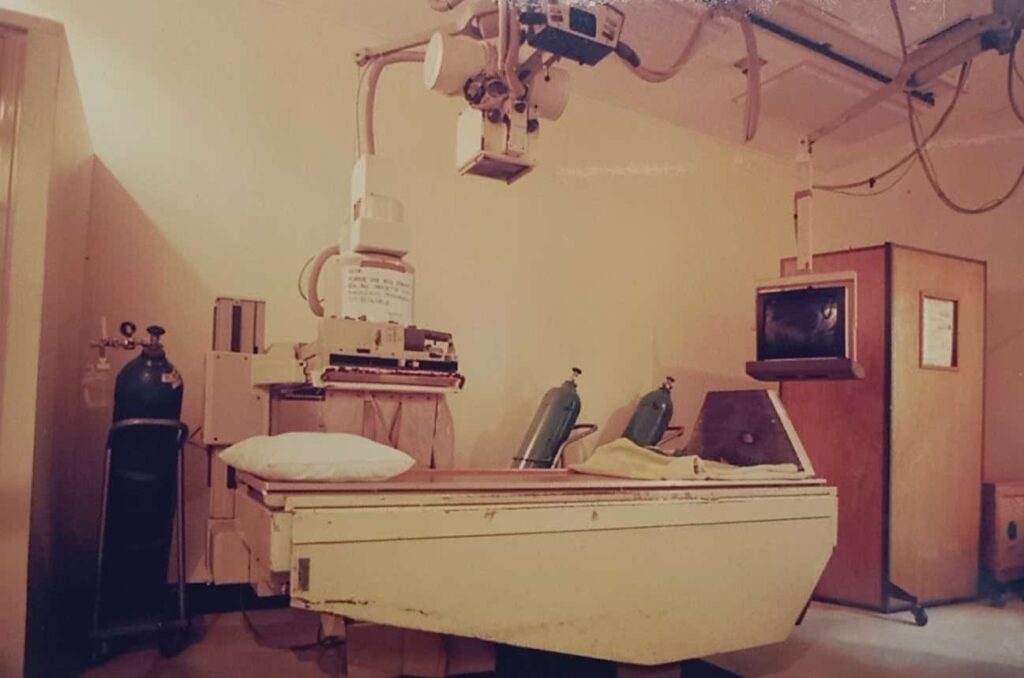
This famous quote popularized by NASA and the StarTrek franchise aptly summarizes the pervading atmosphere that underpins the humble beginnings of the practice of Interventional Radiology in the Philippines. During an era when open surgery was the norm and advanced imaging methods were in its infancy, a few pioneering radiologists went abroad for further training. The fellowship training back then was still called Angiography as it mainly dealt with diagnostic arteriograms and few therapeutic procedures. However, they were also doing many non-vascular interventional procedures such as myelograms, bronchograms, retroperitoneal insufflation for retroperitoneal tumors and lymphangiograms. It was in the late 60s, when Dr Honorato Piedad returned from his Fellowship in Angiography at the Duke University Medical Center where he trained under Dr. Irwin Johnsrude, a protégé of the pioneering interventionist and inventor, Dr Kurt Amplatz. Around this time, Dr Benjamin Adapon also returned from his Fellowship in Neuroradiology at New York University Hospital in 1965 under U.S. National Institutes of Health.
New beginnings are often fraught with uncertainty and possibilities. But it did not stop, the pioneers of our craft. Before 1974, the first arteriogram was performed by Dr Honorato Piedad at the Makati Medical Center. Most cases during this time were abdominal angiograms. In April 1974, Dr Jaime Tomas returned from training in angiography at the New England Medical Center, Tufts University. He was convinced by Dr Marquez, then head of x-ray at Makati Medical Center, to pursue further training. Only a few institutions had equipment capable of doing cardiovascular x-ray procedures back then, pioneered by Makati Medical Center in 1969, followed by Philippine Heart Center (1975), Lung Center of the Philippines and the National Kidney and Transplant Institute (1981) among others. In 1976, Dr Tomas performed the first cerebral angiogram at MMC through a right femoral approach. Previously neurosurgery did carotid puncture/injections. The same year, Dr Tomas performed his first case of mesenteric angiogram at the Philippine General Hospital. Autologous blood clot was used as the sole embolic during the time. Back then, gelfoam, embolic particles nor even introducer sheaths were unheard of or simply unavailable. In these days, interventional radiologists also performed ERCP at the request of the pioneering Gastroenterologist Dr Sol Alvarez from the University of Santo Tomas.
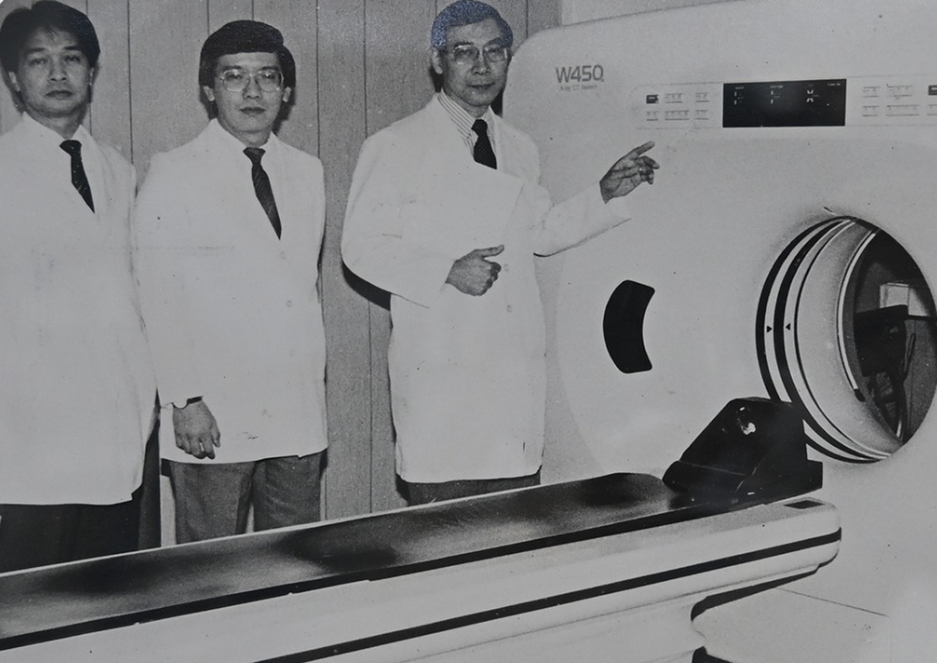
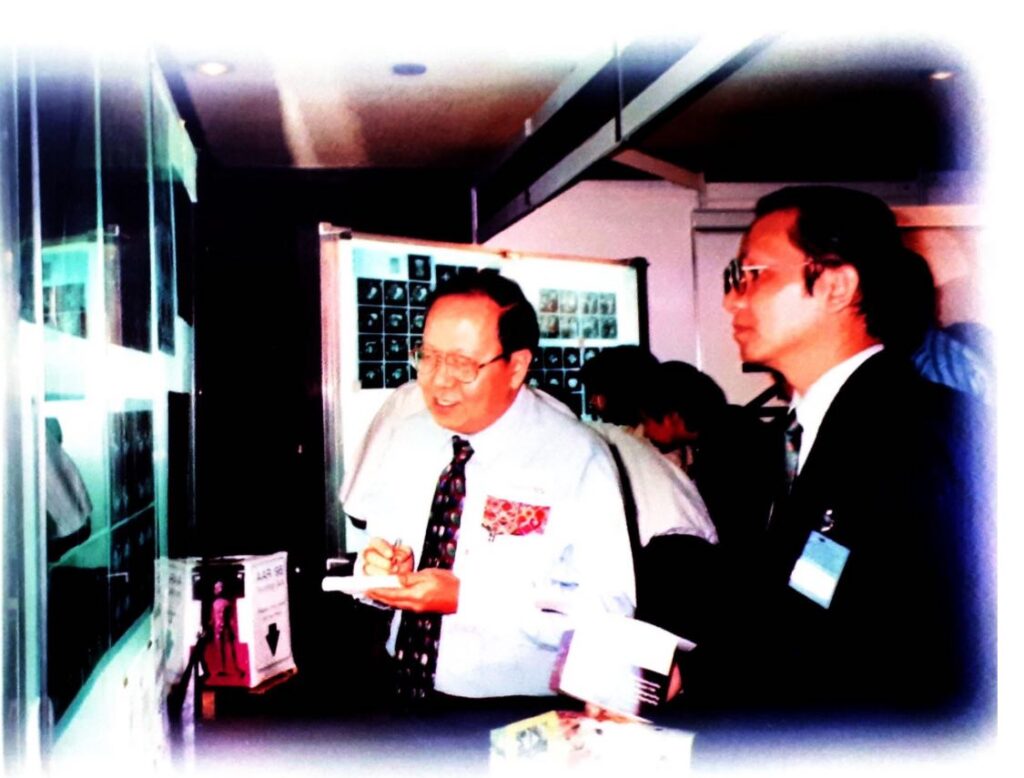
The 1980’s and 90’s were also decades of many innovations, with referrals pouring in, due to increased awareness of the availability of the procedure. It was during this decade, when more pioneering Interventional Radiologists returned from their training abroad, including Dr Renato Carlos (Kyushu University Hospital, Neurological Institute, Fukuoka, Japan, 1983-1985), Dr Angelito Tingungco (Catholic University of Leuven Belgium, Illinois Masonic Medical Center, 1984). Dr Orlando Ignacio (University of Tokyo, 1991 and Stanford University, 1994), Dr Cesar Co (University of Tokyo Hospital), Dr. Emmanuel Almazan (University of Tokyo, 1991, Siriraj Hospital, Bangkok, 1996, Stanford University Medical Center, 2002) and Dr. Ramon Santos Ocampo (Brigham and Women’s Hospital 1992-1993, MD Anderson Cancer Hospital 1993-1994, University Hospital at Stony Brook, NY, 1994-1997).
The first transarterial chemoembolization was performed by a Filipino IR team under the guidance of Dr. Yashiro from Japan, the inventor of the catheter being used up to now for this procedure. Fresh from training, Dr Angelito Tingcungco started his practice at the University of Santo Tomas Hospital and later St. Luke’s Medical Center. Vascular procedures were being performed initially using AOT or angiotable or rapid cassette changer (Siemens at USTH and GE at St. Luke’s) until the Cathlab (DSA) acquisition of St. Luke’s in 1986 and USTH in 2001. Gradually, there was also a shift from being “invasive radiologists” to being able to offer various therapeutic options as well. IR procedures were welcomed with open arms by our colleagues belonging to different specialties during this time. They found reliefs or shock absorbers to their medical and surgical situations and dilemmas. Interventional radiologists were also often invited to share their new expertise in various annual and mid year conventions, postgraduate courses and hospital conferences, particularly the surgical and gastroenterology scientific sessions, during the 80’s and 90’s.
In 1994, the time was ripe for the formation of the official society of all interventional radiologists, the Philippine Society of Vascular and Interventional Radiology. Dr Tomas became its first president.
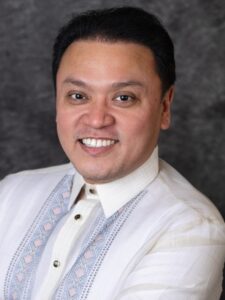
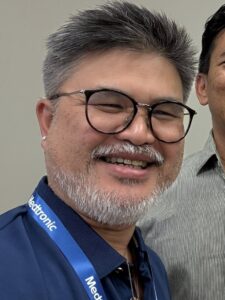
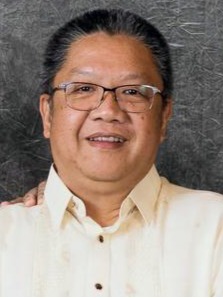
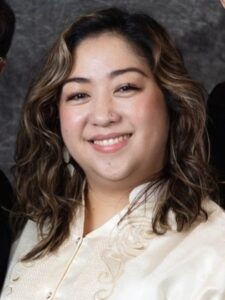
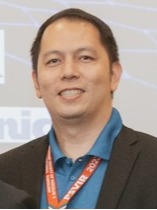
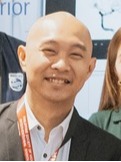
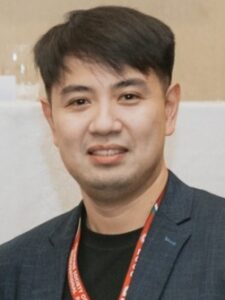
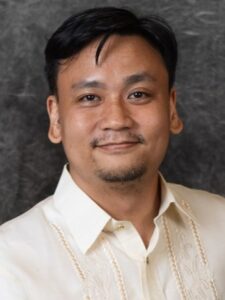
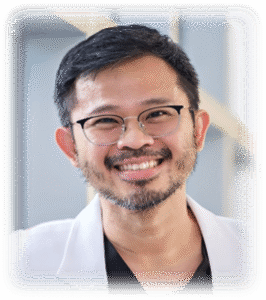
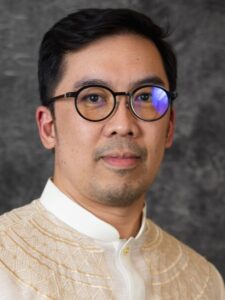
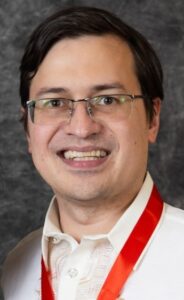
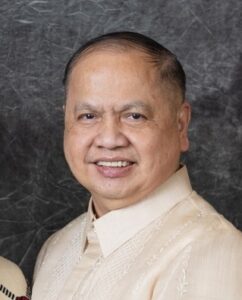
PSVIR Officers and Board Members
- Cicero Matthew R. Habito, MD – President
- Luel M. Yukoya, MD – Internal Vice President
- Samuel B. Bangoy, MD – External Vice President
- Cindy Pearl J. Sotalbo, MD – Secretary
- Glenn Marc G. Ignacio, MD – Treasurer
- Michael Salvador D. Cabato, MD – Auditor
- Ray Chester N. Fabian, MD – Public Relations Officer
- Francis Angelo D. Basilio, MD
- Neilson C. Tino, MD
- Alvin Constantine Tin, MD
- Rudolf V. Kuhn, MD – Executive Officer
- Gerardo M. Silva, MD – Immediate Past President